High-quality eddy current testing solutions for complete inspections
Zetec is the industry leader for cost-effective eddy current testing (ECT) in complex applications. We have the most extensive experience, and we develop the highest quality ECT inspection products. When it comes to understanding your needs, we’re your trusted advisor. And from instrumentation to probes to software, you can count on us to provide a complete inspection solution that will help you realize a cost savings in the long run.
How It Works
Zetec Eddy Current technology and products provide a fast efficient solution for near-surface anomalies in conductive material. A magnetic field from a coil is induced into conductive material where anomalies in the material create changes to the “eddy currents” that are sensed for evaluation by specialized instrumentation.
-

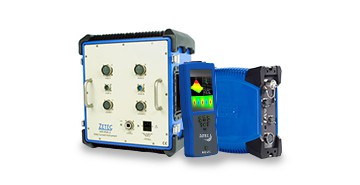
Instrumentation
Choose the right inspection device. We have the experience to support your eddy current needs with complete instrumentation solutions. More
-
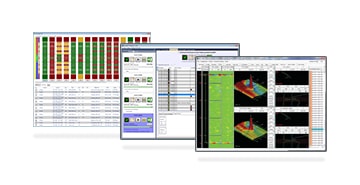
Software
Acquire, analyze, and manage your data. Best-in-class eddy current testing software from Zetec simplifies the inspection process. More
-
Probes
Get quick and comprehensive inspections. Since 1968, we’ve manufactured over 10,000 probes to meet the changing needs of the NDT market. More
-
Probe Delivery
Our probe delivery systems work with proprietary software for an integrated solution to your inspection needs. They provide faster inspection and analysis, easy-to-follow scans, and maintain computer-based data records and reports. More